| Application of UV-Resistant —— Endowing Packaging with UV-Blocking Capability |
| Data:2026-07-20 13:23:38 | Visits: |
For light-sensitive products, ultraviolet (UV) rays are extremely destructive. After penetrating plastic packaging, UV rays trigger a series of photochemical reactions with the packaged contents, compromising product quality and shortening shelf life.
York New Materials has launched a UV-Resistant functional liquid color that builds a reliable protective barrier for light-sensitive products, offering a solution that balances both appearance and protection.
1. How UV Protection Is Achieved
The core working principle of UV-resistant is to add UV absorbers of specific wavelength ranges into the plastic packaging, forming a light barrier within the packaging wall that blocks targeted UV wavelengths from passing through.
York’s UV-resistant is available in two specification grades:
Different products have different sensitivity bands to UV radiation; the appropriate grade can be selected according to the photosensitivity of the contents. For example, in natural outdoor light, the concentration of vitamin B6 in an ordinary PET bottle drops to only 10 μg/mL after 7 days of exposure, whereas a PET bottle incorporating UV370 still retains as high as 192 μg/mL. This data directly demonstrates the protective efficacy of UV-resistant on packaged contents.
2. Applications in the Food Sector
Edible Oil Packaging Edible oils contain high levels of unsaturated fatty acids and natural pigments. Upon absorbing UV rays, they readily generate free radicals, triggering a chain reaction of lipid oxidation that deteriorates oil quality. By adding UV-resistant to PET preforms, the resulting edible oil packaging bottles effectively prevent UV-induced degradation of the oil.
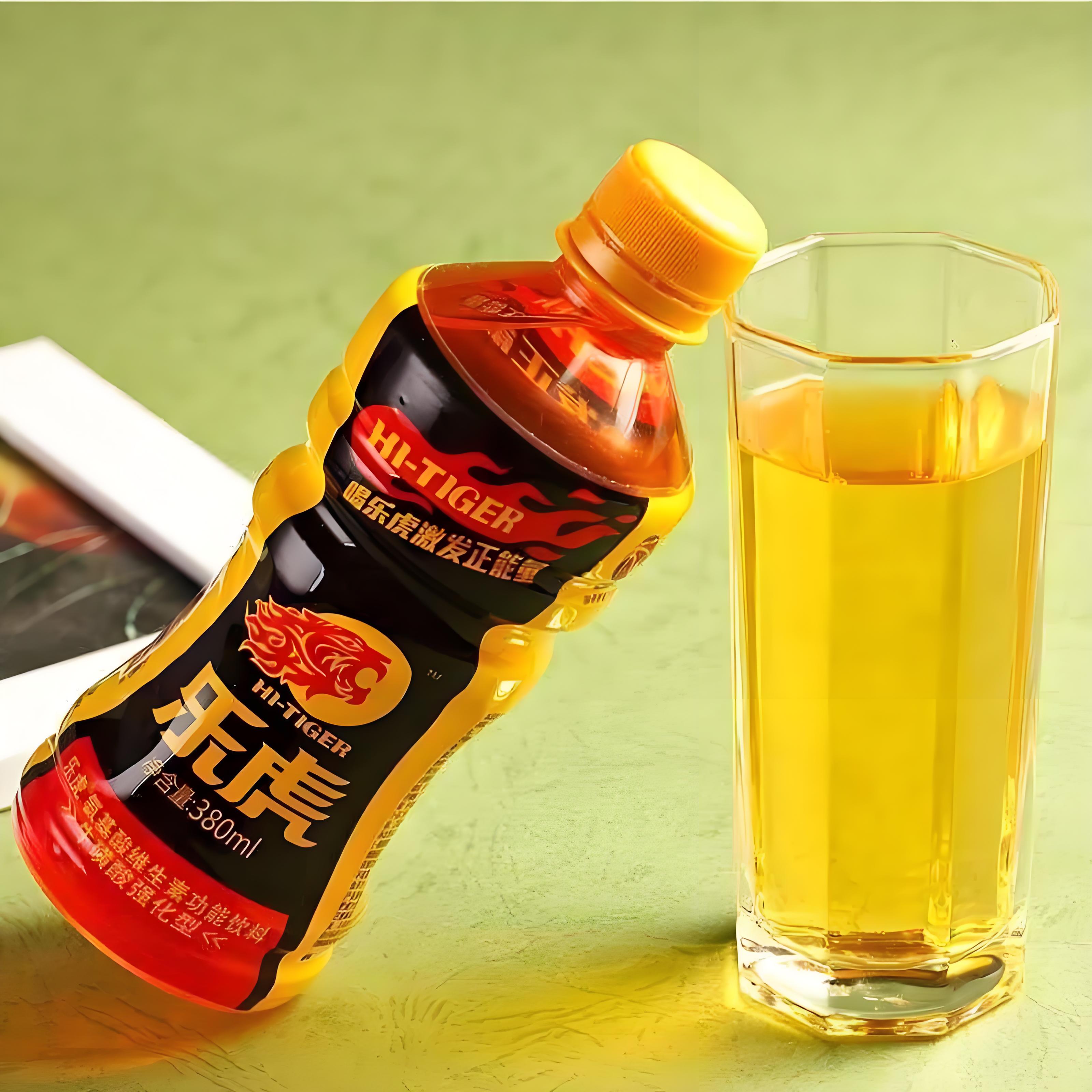
Juice Beverage Packaging Vitamins (especially vitamin C and B-complex vitamins), natural pigments, and flavour compounds in fruit juices are highly sensitive to UV radiation. UV exposure leads to nutrient degradation, colour fading, and flavour deterioration.
UV-resistant offers a dual value for juice beverages: on one hand, it protects the nutritional content and flavour, maintaining product consistency; on the other hand, the liquid color masterbatch itself provides colouring functionality, helping brands build a differentiated visual identity.
Compared with metal can packaging, UV-Resistant plastic packaging achieves comparable protection at only 50% of the cost of tinplate cans.
3. Applications in the Personal Care Sector
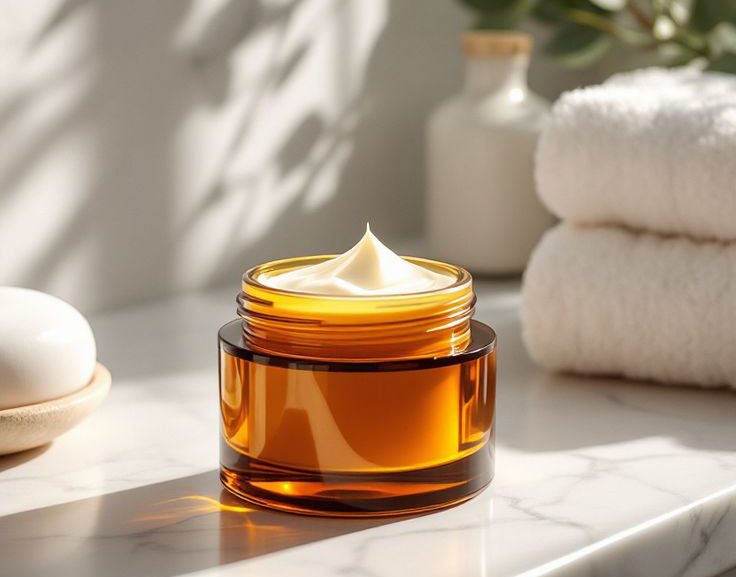
Cosmetics and skincare products contain numerous active ingredients – vitamins, plant extracts, fragrances, pigments, etc. – which are extremely sensitive to UV rays. UV exposure can cause degradation of active ingredients, affect product appearance, and lead to odour changes.
The value of UV-Resistant in personal care packaging lies in:
4. Applications in the Pharmaceutical Sector
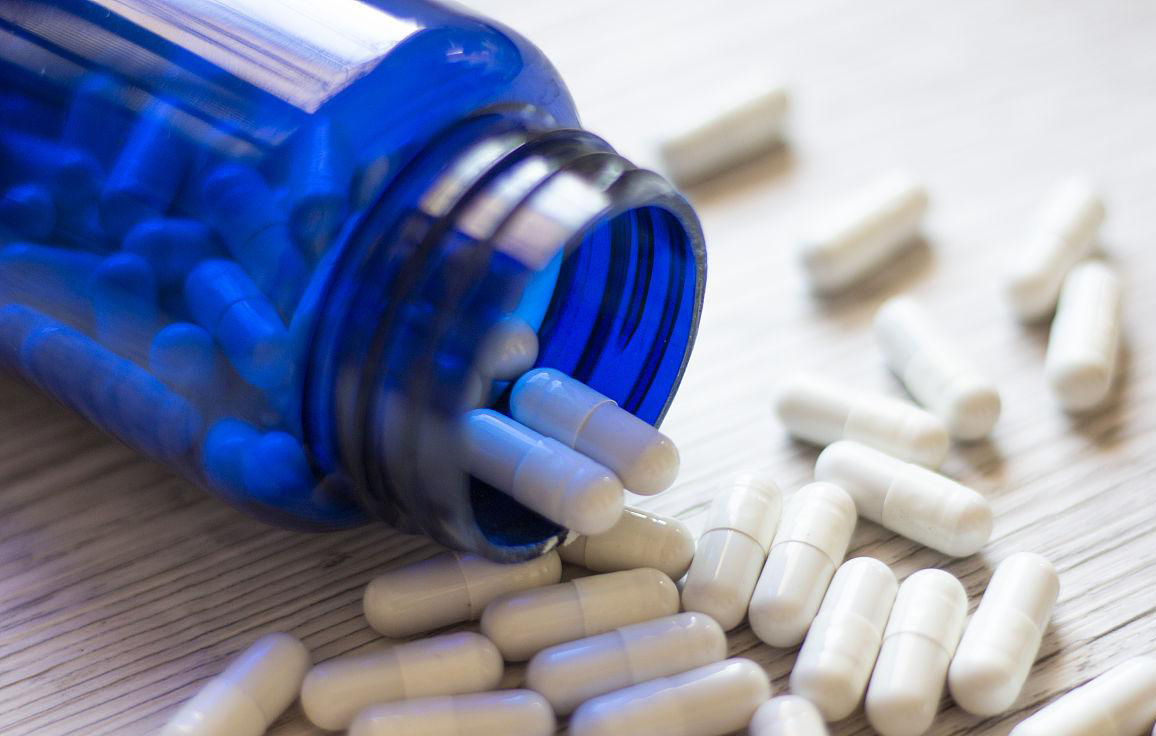
UV-Resistant can be used in packaging bottles for oral liquids and capsules.
Active pharmaceutical ingredients, vitamins, and pigments in oral liquids are often photosensitive. UV penetrating the packaging may trigger photodegradation of the drug. Adding UV-resistant enables precise blocking of specific wavelength bands (370 nm or 390 nm), preventing oxidative and decomposition reactions caused by light exposure, rather than merely blocking all light indiscriminately.
In summary, the value of UV-resistant goes far beyond simply “colouring plastics”. It plays the role of a guardian of content quality in packaging for light-sensitive products, ensuring that the contents remain stable, effective, and visually appealing throughout their shelf life. |
| Prev:Liquid Colour: How to Choose a High-Quality Product for Cost Reduction and Effic Next:Application of Oxygen Absorber in PET: Reducing oxygen content and preservation |