| Oxygen Absorber for PET Packaging: Suitable for Diverse Application Scenarios |
| Data:2026-10-12 16:14:38 | Visits: |
In the application of PET packaging for food and beverages, oxidative deterioration caused by oxygen permeation is a major factor compromising product quality. Ordinary single-layer PET packaging cannot prevent oxygen permeation merely by sealing, making it unsuitable for categories requiring high-level preservation. As a material integrated into the PET bottle wall, the Oxygen Absorber adopts dual oxygen control masterbatch technology combining passive barrier and active oxygen absorption. Mechanically different from conventional barrier materials, it has achieved stable commercial application in a wide range of oxygen-sensitive food and beverage products.
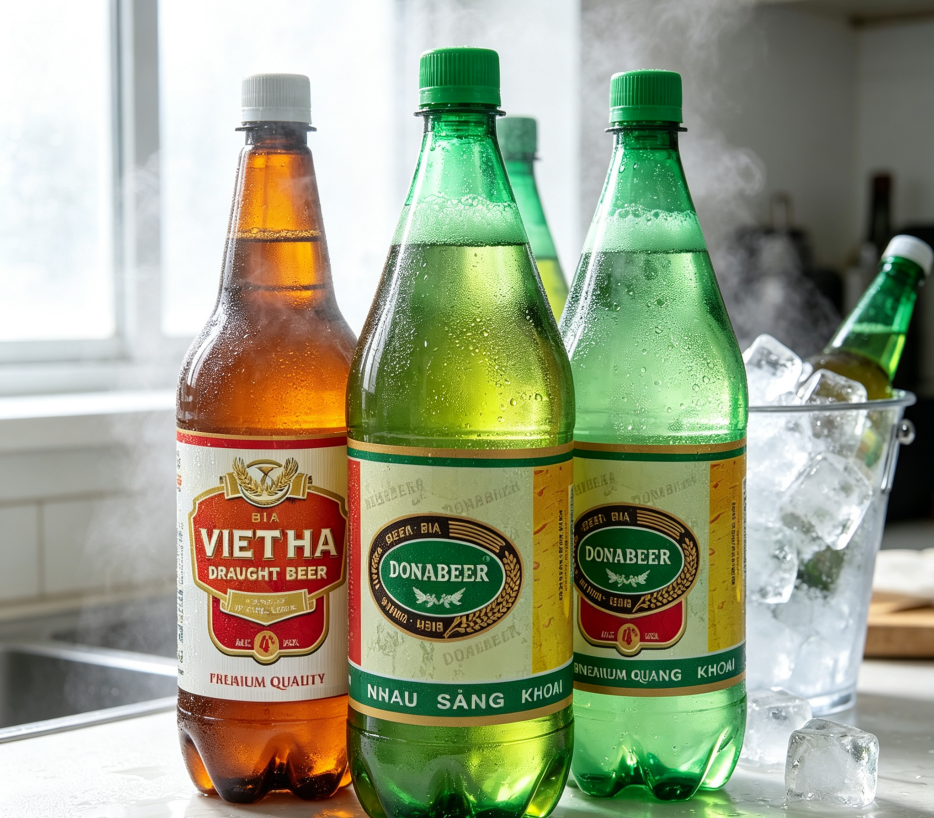
1. Fermented Beverages (Beer & Low-Alcohol Fermented Drinks)
Beer, fruit-flavored fermented wine and sparkling fermented drinks feature an extremely delicate flavour profile with very low oxygen tolerance. Conventional PET bottles suffer from continuous oxygen permeation and residual oxygen that cannot be eliminated, which directly unbalances the liquor flavour and generates stale cardboard off-notes.
When applied in this sector, Oxygen Absorbers are designed to address flavour oxidation, taste deterioration and flavour decay over shelf life for bottled fermented drinks. Endowed with inherent oxygen control capacity, the bottle eliminates headspace residual oxygen after filling and blocks continuously permeating oxygen. Lightweight PET bottles can thereby meet commercial standards for bottled fermented drinks, widely adopted in PET bottle production for craft beer, low-alcohol fruit wine and micro-carbonated fermented beverages.
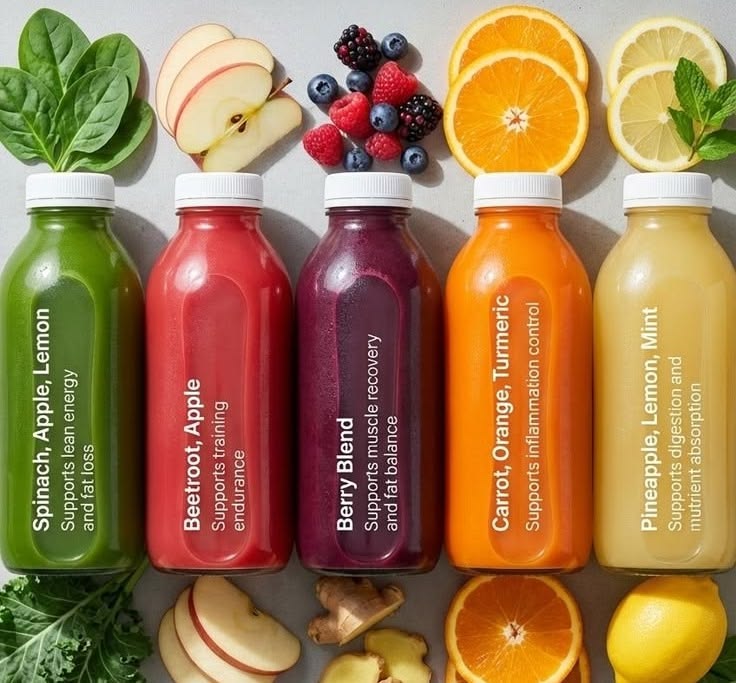
2. Fruit & Vegetable Juices and Bottled Tea Drinks
NFC juices, blended fruit and vegetable juices and ambient ready-to-drink fresh tea represent the most widely adopted and high-volume application scenarios for Oxygen Absorbers. Such beverages are prone to oxidation issues including colour browning, aroma loss and thin taste during storage.
Applied in this field, Oxygen Absorbers significantly slow oxidative browning, retaining the original colour and fresh flavour of tea and juice. They suit bottled tea and fruit juice products for long-term ambient distribution, nationwide sales and prolonged shelf display.
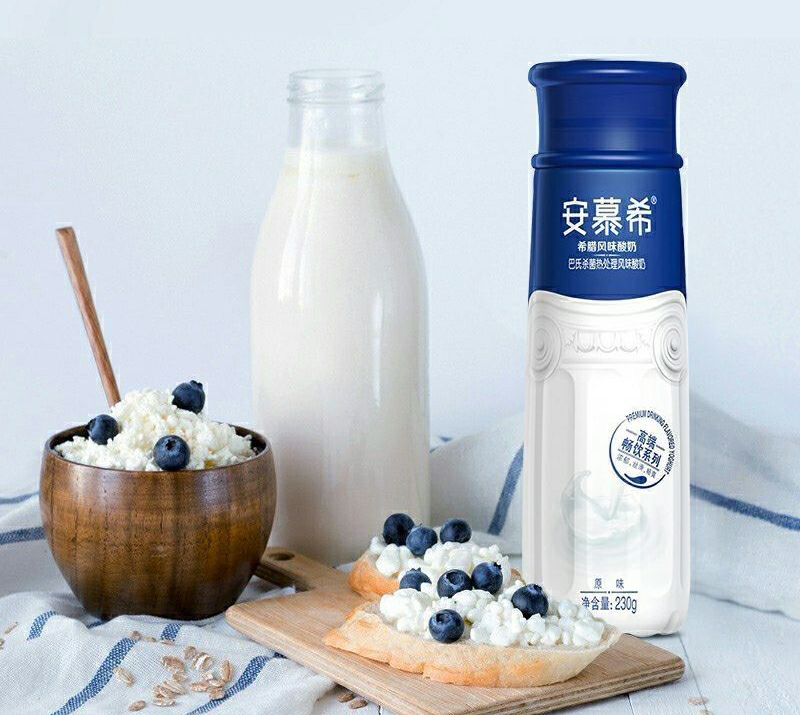
3. Functional Nutritional Beverages (Protein & Vitamin Drinks)
For protein drinks, ambient lactic acid bacteria beverages and vitamin functional drinks, oxidation mainly leads to nutrient loss and taste fluctuation. Continuous oxygen permeation triggers slight protein denaturation and decomposition of vitamins, resulting in inconsistent taste and substandard nutrient content across products sold at different periods.
The long-term oxygen control of Oxygen Absorbers protects active nutrients from oxidative degradation, solving the common problem of "good taste at launch but degraded quality later". It is suitable for various high-end nutritional beverages packed in PET bottles.
4. Premium Solid Food (PET Jar Packaged Snacks)
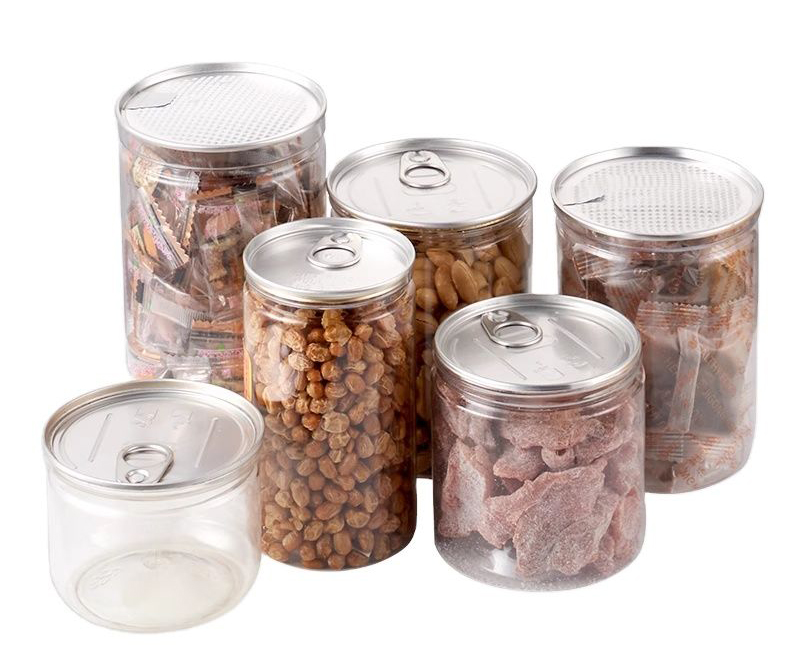
Premium solid snacks such as nuts, freeze-dried fruits and baked pastries are commonly packed in transparent PET jars. High-fat and high-sugar ingredients are vulnerable to oxidative rancidity, loss of crispness and flavour deterioration.
Integrated into the jar wall, Oxygen Absorbers require no additional external sachets. They effectively prevent oxidative spoilage and preserve crisp texture. Meanwhile, they fit high-speed automated production lines and satisfy safety and aesthetic requirements for premium snacks and gift sets.
5. Adaptation Differences for Various Distribution Scenarios
Products of the same category face varying oxidation rates in different distribution channels, which changes the practical value of Oxygen Absorbers:
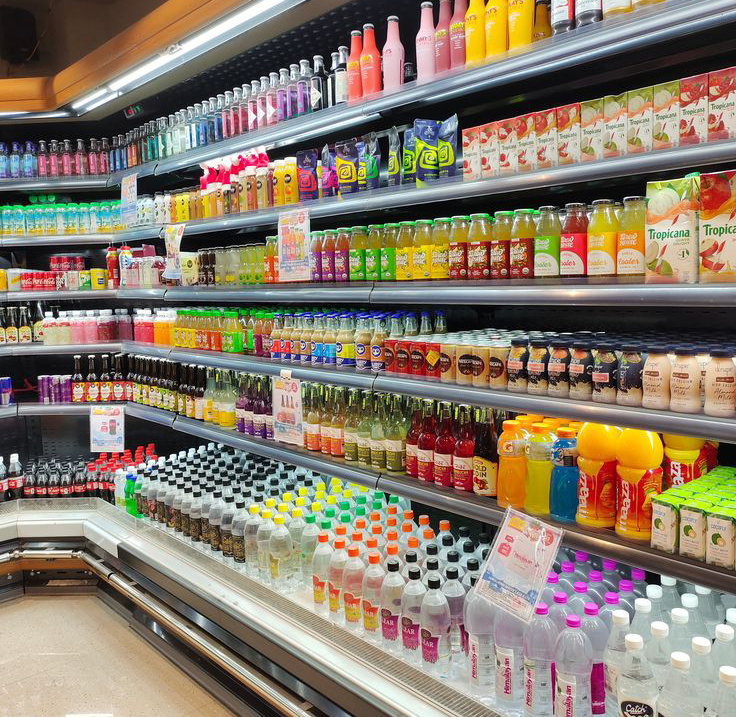
Supermarket shelf: Products stay on display for a long time. Long-lasting oxygen control is required to avoid deterioration of appearance and taste in later storage.
E-commerce logistics: Long-distance delivery and multi-warehouse transfer bring temperature and humidity fluctuations, raising oxidation risks and increasing demand for oxygen control.
Food service takeaway: Prioritising lightweight and shatter-resistant packaging, Oxygen Absorbers enable lightweight replacement of glass containers while maintaining safety and freshness.
Oxygen Absorbers are currently mainly deployed in the food and beverage sector. With the advancement of plastic reduction and lightweight packaging policies, active Oxygen Absorbers will be adopted in more packaging scenarios for oxygen-sensitive products.
|
| Prev:Oxygen Absorber for PET Beer Bottles | Beer Oxidation Control Solution Next:York Showcases at CBB 2026 with New Beer Packaging Freshness Technology |